
Tips For Athletes to Maximize their Greatness
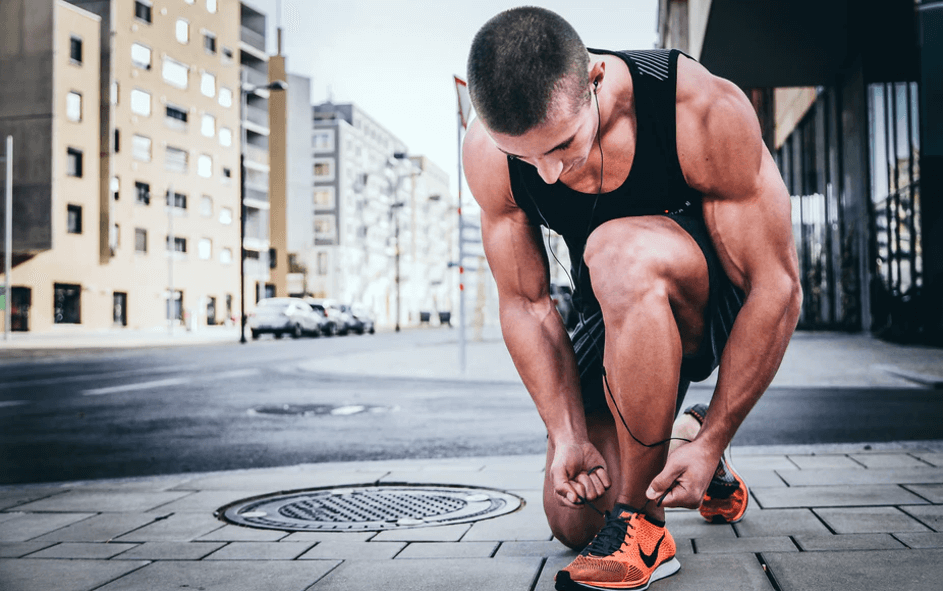
Throughout sports history, professional athletes have inspired the masses. Often, we find ourselves staring in awe at the greats and wondering how they did it.
Aside from a good training procedure and technique, there's also a mental component to consider. Discipline, lifestyle habits, self-awareness, and personal growth are all important aspects of personal development. All of these factors combine to produce an athlete that is strong, resilient, quick, and, most importantly, injury-free. Sacrifices must be made to become great. This article will provide some tips on how to become an excellent athlete.
5 tips for athletes to become the best
1. Do low-intensity training
The foundation is one element that pros have mastered that beginners sometimes neglect. Basics such as long & easy aerobic exercises, conditioning, overall strength building, and mobility & injury prevention are all important. There is a common misconception that low-intensity training is ?easy? work and it causes athletes to jump straight to intense training. However, low-intensity training is what sets athletes for success. It makes them fatigue slower, and tolerate more training load later in the season. One doesn?t need years to build a foundation, just a couple of months of focused low-intensity training will help you maintain fitness and prepare your body for the hard work ahead.
2. Fuel your body the right way
Even if you exercise more than the typical person, a bad diet will derail your efforts. Start by cutting back on unhealthy food. Food such as fatty foods, junk snacks, and sugary drinks will put unnecessary strain on your body and affect your recovery process. It?s not easy making dietary changes but it will be worthwhile. After cutting out unhealthy food, try introducing more fruits, vegetables, whole grains, and lean protein into your diet. The goal is to make a lifestyle change that will support your endeavors in the long run. Consider asking for some extra help from a dietician or nutritionist. They can help you get on the right track by making meaningful and actionable recommendations.
Another thing you have to look out for is your water intake and rest. Getting hydration levels right during physical activity is crucial. Too much water will make you feel sick and bloated but not having enough will lead to dehydration. Meanwhile, it is also important to rest and recover for cell regeneration and muscle repair. Not having plenty of sleep is common for amateur athletes. But this prohibits cognitive capability and frequent physical fatigue. Physical foundations such as physical training and proper fuel are only half of the circle to being complete and great, the other half is the mental process.
3. Train your brain
On the field, you must see opportunities, make snap judgments, and instruct your body on how to react. All of this happens within a fraction of a second and even a minor delay can ruin the play. Brain training matches physical movements with physical responses. You can increase peripheral vision, response speeds, and hand-eye coordination depending on the sports you do. In 2019 for instance, VR headsets were used by some international teams to create simulated rugby scenarios such as line-outs, high balls, and first-phase attacks. This helped athletes enhance their mental learning, imagery, and decision-making abilities.
In a more traditional sense, taking care of your mental needs includes the most fundamental and psychological aspects like seeking motivation, having time to de-stress, and even having the proper gear to maximize comfort and performance. For female athletes, being comfortable enough to perform well when they?re on their period is made possible by innovations like period-proof underwear. Overall, training your brain involves sharpening your mental imagery and decision-making, having time to wind down, and finding the right gear ? and people.
4. Find a supportive crowd
Athletes that succeed are surrounded by positive energy and other successful individuals. Find people and groups that support your goals as well as help you adopt the right attitude and deal with setbacks. Associate yourself with the best players and training partners. Find a coach who supports your personal and professional development. Remember that the people closest to you can have the biggest impact on your success. So, choose them wisely and eradicate as much negativity from your life as you possibly can. To keep that momentum going, measure your success with the help of technology.
5. Measure training results
Did you know that 65% of people are visual learners? So, start by taking videos of your performance. Knowing whether you are improving or not comes down to data. Athletes' performance is regularly tracked and monitored by coaches to see if they are improving. Not long ago, only elite teams had access to the technology needed to perform video analysis. Now, video analysis and video refereeing are increasingly employed in a broad range of sports and athletes, thanks to the widespread usage of smartphones and tablets.
Video analysis allows athletes to assess strengths, weaknesses, mistakes, and areas that require further training. This data is then utilized to improve performance by deploying new methods and improved training programs. Paul Pogba for instance, a central midfielder for Manchester United, uses video analysis to correct his take-off angle. This 128-degree angle is said to be the optimum point to maximize kinetic energy and momentum made famous by Usain Bolt.
Points to remember
The last final seconds in every NBA finals game always keep the audience at the edge of their seats. But behind every winning moment are struggles and sacrifices. To become a complete athlete, do low-intensity training, fuel your body properly, train your brain, find the right crowd, and measure results. In the end, holistic preparedness and extra effort will set you up for greatness.